SEO In May 2026 Google launched another Google core update and finished rolling it out on 2 June. It was not a minor tweak: it confirmed where search is heading and what kind of content no longer performs.
What exactly happened
Google’s status dashboard confirmed that the May 2026 core update began rolling out on 21 May and finished twelve days later. Like all core changes, it does not penalise specific pages: it re-evaluates which content deserves to appear.
The difference this time is the context. AI Overviews —those generated summaries that appear above the results— now show up for a significant share of informational searches in the United States, the United Kingdom, India and several European markets.
Who the Google core update affects most
Above all, websites with a lot of generic content. Pages with first-hand experience, on the other hand, tend to hold up better.
The three signals that keep recurring
Thin content sinks
Pages that answered in passing, without adding anything of their own, are losing visibility fast. If an AI Overview already settles the question, a generic article is redundant.
Topical authority holds up
Sites with real depth on a subject and identifiable voices behind them keep or gain positions. Signing what you write matters again.
Unreviewed AI fares worst
Content generated and published without significant human editing has dropped more than in previous updates. It is not the tool: it is publishing without judgement.
Why this also affects AI Overviews
There is a technical detail worth understanding: AI Overviews run on the same search ranking systems. So when your organic position moves, how often your pages are used as a source in those summaries also changes.
In other words, they are not two different games. Working on SEO and search positioning is still the way to appear in both places.
A Google core update cannot be fixed with tricks
There is no technical tweak that reverses it. That is why the answer lies in improving the content you already have.
What to do in practice
What is observed to work for an AI system to take your content as a source is quite specific: being specific, balanced and easy to understand. And the evidence has to sit right next to the claim it supports.
- Put the data, the date or the figure next to the sentence that needs it, not in a separate section at the end.
- Define terms the first time you use them, even if they seem obvious to you.
- Give real examples instead of generalities; that is what sets your page apart from a summary.
- Sign your articles and say who writes them, because identifiable authorship is one of the signals that holds up.
- Review what you publish, especially if a tool drafted it: that is the filter that shows the most.
- Update what you already have before writing new things, because a page with a history performs better than a newborn one.
What not to do
After every update the same temptation appears: rewriting everything at once. It is a bad idea, because without measuring first you will not know which change caused what.
Measure first, then decide. If the drop is across the board, the problem is quality; if it affects a few pages, they are probably competing with each other for the same search. They are two different problems and are fixed in different ways.
What to review after a Google core update
First, which pages have lost traffic. Then, whether those pages really answer what people are searching for.
And if the drop comes from somewhere else
Not everything that looks like SEO is SEO. A slow website, a server that responds late or a badly migrated launch produce exactly the same symptoms as a content penalty.
That is why it is worth looking at the technical layer as well: the hosting and cloud for businesses the site runs on and the redirects left over from the previous website. When the design, code, server and content are handled by the same team, that diagnosis takes an afternoon instead of three meetings.
How to tell whether the Google core update affected you
Before touching anything, it is worth knowing whether the movement is yours or the whole sector’s. A Google core update reshuffles everyone at once, so losing two positions while your competitors lose five is, in fact, winning.
The way to check is to look at three things in Search Console, comparing the month before the rollout with the month after:
- Impressions per query: if they drop a lot without clicks dropping, you have lost long-tail positions.
- The affected pages: if there are only a few, the problem lies with those pages and not the site.
- New queries: sometimes an update takes from you on one side and gives on the other.
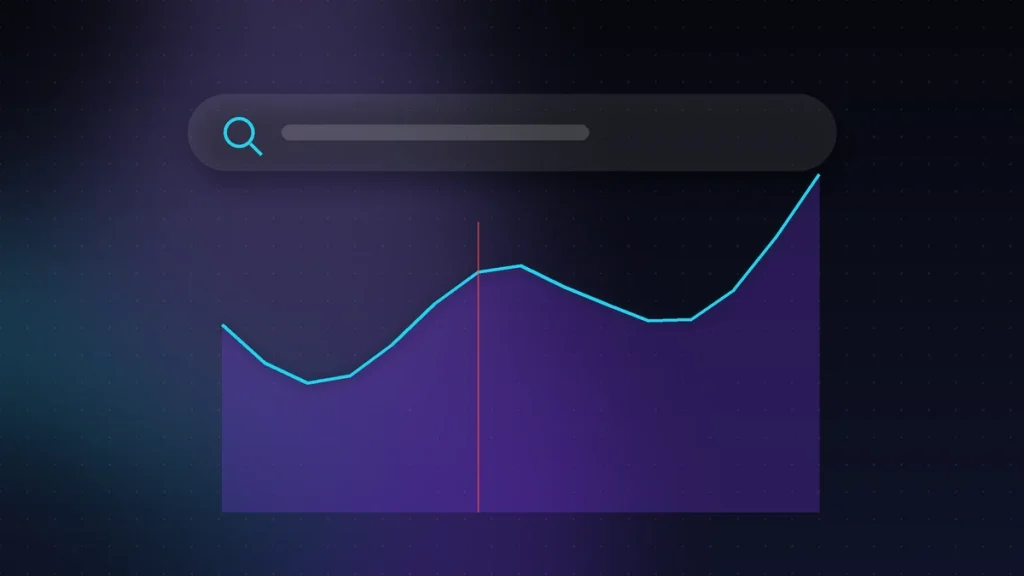
If the drop is concentrated in generic informational articles, it matches what has been seen in this core update. If instead it affects service pages, look at the technical side first: a template change or a badly done migration produces the same graph.
What to expect over the coming months
Core updates happen several times a year, and recovering from one usually means waiting for the next. In other words: the changes you make now are not reflected immediately, however quickly they are fixed.
That is why there is no point reacting in a hurry. Fix what is really wrong, document what you changed and when, and compare when the next movement comes. Without that record, every update is a surprise.
How to prepare for the next Google core update
By publishing less, but better. And by reviewing every few months the pages that no longer add anything.
In short
Google’s May 2026 core update rewards the same things as always, but with less patience: original, specific content reviewed by someone who knows what they are talking about. Everything else is now settled by the search engine itself before the user ever reaches your website.
If you would like us to look at your site’s specific case, the first strategy call is free and includes an audit of what you already have.
One last thought on the Google core update
Every Google core update looks like a threat and almost always turns out to be a correction. In other words, it rewards what should already be done well and removes what was held up by inertia.
So if you have been publishing useful, reviewed content for a while, these updates will normally benefit you. And if not, now you know where to start: fewer articles, better ones, and someone behind them who answers for them.